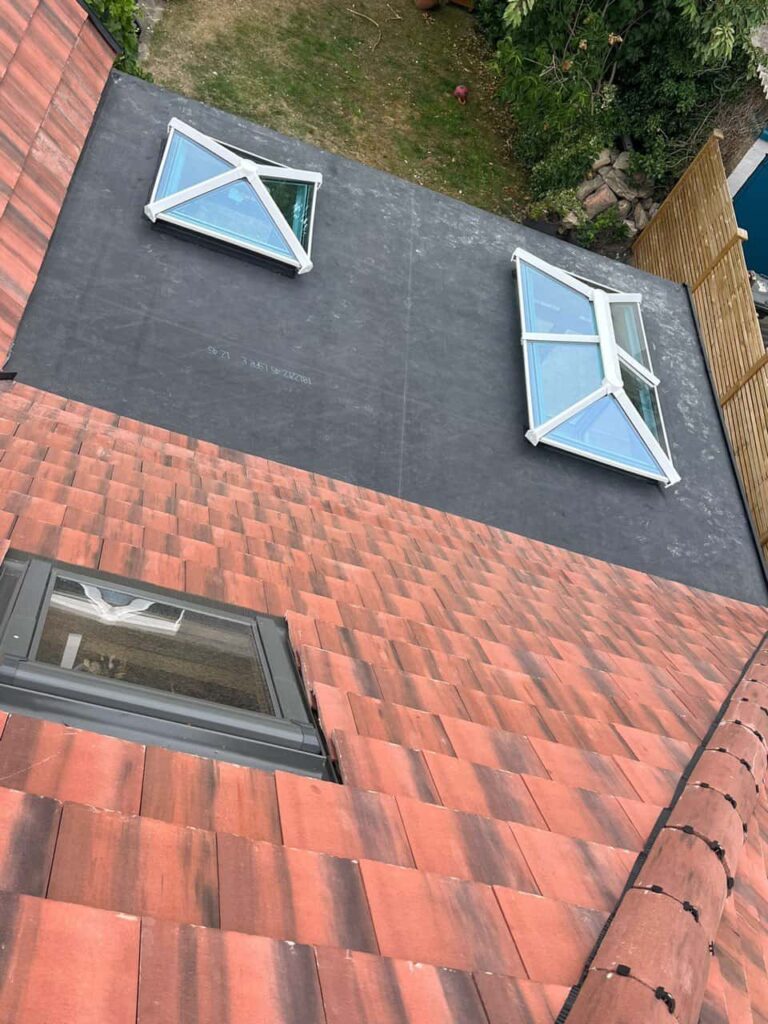
Severe storms can place considerable strain on a property’s roof. Strong winds may lift or dislodge tiles, heavy rainfall can expose weaknesses in roof coverings, and falling branches or debris can cause sudden structural damage. Even a relatively small area of damage can allow water to enter the property, potentially affecting ceilings, loft spaces and internal finishes.
Knowing what to do after a storm can help limit further problems and ensure that necessary repairs are arranged promptly. For homeowners in Godstone, Surrey, taking a careful and informed approach is important when dealing with unexpected roof damage.
Check for Visible Signs of Roof Damage from a Safe Position
Once the worst of the storm has passed, begin by looking for signs of damage from ground level. Avoid climbing onto the roof or using ladders to inspect it, as wet surfaces, loose materials and unstable structures can make this extremely dangerous.
Look for visible warning signs such as:
- Missing, cracked or displaced roof tiles.
- Sections of roofing material hanging loose.
- Damaged ridge tiles along the roof’s highest points.
- Debris or fallen branches resting on the roof.
- Damaged flashing around chimneys and roof joints.
- Water marks appearing on ceilings or upper walls.
You may also notice pieces of roofing material on the ground or in the garden. These can indicate that the roof covering has been affected, even if the damage is not immediately obvious from below.
If there are signs of structural instability or immediate danger, keep clear of the affected area and seek appropriate professional assistance.
Look for Signs of Water Entering the Property
Roof damage is not always visible from outside. Sometimes, the first indication of a problem is water appearing inside the property.
Check ceilings, loft spaces and upper-floor rooms for damp patches, dripping water, discolouration or peeling paint. Pay particular attention to areas around chimney breasts, roof windows and ceiling edges, as these can be vulnerable when external roof coverings or flashing have been damaged.
If water is entering the property, move furniture and belongings away from the affected area where possible. Use suitable containers to catch drips, provided it is safe to do so.
Be cautious around electrical fittings, sockets and light fixtures near water damage. Do not touch wet electrical equipment or attempt to investigate water near wiring. If there is a risk involving the electrical installation, keep away and contact a qualified electrician.
Understand How Storms Can Damage Different Parts of a Roof
Storm damage can affect several roofing components, and identifying the likely source is important when planning repairs.
Strong gusts of wind can lift or dislodge tiles, leaving gaps through which rainwater can enter. Ridge tiles may become loose, particularly where the mortar or fixing system has deteriorated.
Heavy rainfall can expose existing weaknesses in roof coverings, joints and flashing. If water is able to pass beneath the outer materials, it may reach the roof structure and insulation.
Falling branches and wind-blown debris can crack tiles, damage flat roofing membranes or cause more extensive impact damage. Gutters and downpipes may also become blocked by leaves and debris, preventing rainwater from draining away properly.
Understanding which components have been affected allows a roofing specialist to investigate the cause rather than simply addressing the most obvious signs.
Avoid Temporary Repairs That Could Make the Damage Worse
It can be tempting to climb onto the roof and reposition loose tiles or cover damaged sections with temporary materials. However, attempting repairs during or immediately after severe weather can put you at risk of falls and further injury.
Improvised repairs may also cause additional damage if roofing materials are handled incorrectly. Walking on tiles, for example, can crack otherwise sound sections and make the original problem more extensive.
It is safer to leave roof access and repair work to experienced professionals with suitable equipment. If the roof has been exposed to rain, avoid disturbing damaged areas until they can be assessed properly.
Arrange a Professional Roof Inspection
After a severe storm, a professional inspection helps establish the extent of the damage and identify problems that may not be visible from ground level.
A roofing specialist can assess the condition of tiles, ridge details, flashing, roof coverings and other vulnerable components. They can also investigate possible entry points where water may be reaching the roof structure.
The inspection should distinguish between isolated damage and wider deterioration. For example, a missing tile may require a straightforward replacement, while repeated displacement could indicate that surrounding fixings or other sections need attention.
Once the cause has been identified, suitable repairs can be recommended to restore the roof’s protective function and reduce the likelihood of further water ingress.
Why Prompt Roof Repairs Matter After a Storm
Leaving storm damage unattended can allow a relatively contained problem to develop into a more serious one. Water entering through a damaged roof can affect insulation, timber structures, ceilings and internal finishes.
Persistent moisture may also contribute to damp conditions and mould growth. Even if the initial leak appears minor, repeated rainfall can increase the amount of water entering the property.
Prompt repairs help restore the roof’s weather resistance and protect the building from further exposure. Addressing damaged tiles, loose ridge sections or defective flashing early can also help prevent related problems from developing.
Reliable Storm Damage Roof Repairs in Godstone
If your roof has been affected by severe weather, it is important to have the damage assessed before the next period of heavy rainfall. A professional approach helps identify the source of the problem and ensures that repairs are appropriate for the condition of the roof.
Godstone Roofing Repairs can help homeowners in Godstone, Surrey, with roof inspections and repairs following storm damage. Whether the issue involves displaced tiles, damaged flashing or a persistent leak, the team can assess the affected areas and discuss a suitable solution.
Conclusion
Storm damage can compromise a roof in several ways, from a few displaced tiles to more extensive problems involving roof coverings and structural components. Checking for visible warning signs, looking for internal leaks and avoiding unsafe temporary repairs are important first steps.
Arranging a professional inspection promptly can help prevent further deterioration and restore the protection your property needs. If your roof has suffered damage during a severe storm, contact Godstone Roofing Repairs to discuss your requirements and arrange an assessment.
Call us on: 01883 771 596
Click here to find out more about Godstone Roofing Repairs
Click here to complete our contact form and see how we can help with your roofing needs.